
GEAR THAT FITS YOUR GAME
Tennis gear, explained by people who play
Walk into any pro shop and you’ll see a wall of racquets that all look fast, a rack of strings with numbers nobody explains, and shoes that promise to make you move like a top-ten player. Here’s the truth from someone who has strung, tested and played with more frames than I can count: the best gear is the gear that matches your swing, your body and your surface. This guide will help you cut through the marketing and choose with confidence.
OUR METHODOLOGY
How we review tennis gear
We don’t rank products by spec sheets alone. Specs tell you what a racquet is; playing with it tells you what it does. Every recommendation on Big Tennis follows the same process.
- Define the player. We start with who the product is for: level, swing style, age, physical needs. A racquet that’s perfect for a 4.5 baseliner can be wrong for a beginner.
- Play real tennis. We hit with gear in drills, live points and matches across different surfaces and conditions, not just a few minutes of feeding.
- Compare against benchmarks. We test new gear against well-known reference products in the same category so our impressions have context.
- Listen to players. We factor in feedback from coaches, students and club players of different levels.
- Stay independent. Affiliate relationships never decide what we recommend. If something isn’t right for most players, we say so.
- Update over time. Manufacturers refresh models often. We revisit guides so picks stay relevant.
RACQUET BUYING GUIDE
How to choose a tennis racquet by level
Five specs shape how a racquet feels: head size, weight, balance, stiffness and string pattern. Change one and the whole personality shifts. Use this table as a starting point, then demo before you buy whenever you can.
| Spec | Beginner | Intermediate | Advanced | What it changes |
|---|---|---|---|---|
| Head size | Larger (around 100–110 sq in) | Midplus (around 98–102 sq in) | Smaller to midplus (around 95–100 sq in) | Bigger heads add forgiveness and power; smaller heads add precision |
| Weight (strung) | Lighter | Light to medium | Medium to heavy | Heavier frames are more stable and plow through the ball but demand more strength |
| Balance | Even to slightly head-heavy | Even to slightly head-light | Head-light | Head-light feels quicker at net; head-heavy adds power on groundstrokes |
| Stiffness | Moderate | Moderate | Varies by preference | Stiffer frames give more free power; softer frames feel more comfortable and controlled |
| String pattern | Open (16×19) | Open (16×19) or dense (18×20) | Either, depending on style | Open patterns add spin and launch; dense patterns add control and a flatter trajectory |
Grip size matters too. A grip that is too small makes you squeeze; too large and you lose wrist action. If you’re between sizes, many players choose the smaller one and build it up with an overgrip.
TRY BEFORE YOU BUY
How to demo a racquet the right way
A five-minute hit in the parking lot tells you almost nothing. Racquets reveal their personality over full sessions, when you’re tired, under pressure and hitting every shot in your arsenal. Here’s the demo routine I give my students.
- Narrow the field. Pick two or three frames that fit your level on the spec table above. Testing ten racquets at once just blurs the differences.
- Keep strings consistent. If you can, demo with a string type and tension close to what you normally use, so you’re judging the frame rather than the setup.
- Hit every shot. Groundstrokes, serves, returns, volleys, overheads and slices. A racquet that’s magic from the baseline may feel sluggish at net.
- Play points. Rallies with a friendly partner are not the same as a tight match. Play at least a set with each frame.
- Take notes. Write down comfort, control, power, spin and maneuverability right after each session. Our tennis journal is perfect for this.
- Listen to your arm. Any new soreness in the wrist, elbow or shoulder is a sign to rethink weight, stiffness or string choice.
EDITOR’S PICKS
Racquet families worth a demo
Manufacturers update their lines regularly, so we recommend families rather than chasing a single year’s paint job. Each line below includes multiple weights and head sizes; pick the version that fits your level.
Forgiving all-rounders
Look at the lighter, larger-headed versions of mainstream lines such as the Babolat Pure Drive or Wilson Clash families. They offer easy power and a generous sweet spot while you build your stroke.
Easy depth, less effort
The Babolat Pure Drive line has long been a go-to for players who want free pace from the baseline and a big serve. A great fit for compact swings.
Built for heavy topspin
The Babolat Pure Aero family is designed for players with fast, upward swing paths who want the ball to dip and kick. Popular with aggressive baseliners.
Classic feel and precision
The Wilson Pro Staff family rewards full, clean swings with control and feel. Better suited to experienced players who generate their own pace.
Balanced and versatile
The Head Speed and Yonex EZONE lines blend power, spin and comfort in a way that suits a wide range of intermediate and advanced players.
Arm-friendly flex
The Wilson Clash line is known for its flexible feel, making it a common recommendation for players who prioritize comfort without giving up too much power.
Junior racquets by length
Kids should use a racquet sized to their height, not one they’ll grow into. A racquet that’s too long is heavy and slow, and it builds bad habits.
| Length | Typical age range (approximate) | Ball and court |
|---|---|---|
| 19–21 inches | About 4–6 | Red ball, small court |
| 23 inches | About 7–8 | Red to orange ball |
| 25 inches | About 9–10 | Orange to green ball |
| 26 inches | About 10 and up | Green to yellow ball, full court |
Height matters more than age. A quick check: with the racquet held at the child’s side, arm straight, the tip should come close to the ground without touching it. See our kids tennis hub for more.
THE ENGINE OF YOUR RACQUET
Tennis strings guide
Strings are the only part of the racquet that touches the ball, and they’re the cheapest way to change how your frame plays. Tension matters too: in general, lower tension adds power and comfort, while higher tension adds control.
Natural gut
The benchmark for feel, power and comfort, and it holds tension beautifully. It costs more and dislikes moisture, but many players with sensitive arms swear by it.
Multifilament
Synthetic fibers bundled to imitate gut. Soft, powerful and arm-friendly, a smart choice for beginners, intermediates and players who value comfort.
Polyester (co-poly)
Stiff and durable, with excellent control and spin for big swingers. It loses tension relatively quickly and can feel harsh, so restring regularly and avoid it if you have arm issues.
Hybrids
Two strings in one racquet, commonly poly in the mains and multifilament or gut in the crosses. You get some spin and control with extra comfort.
FOOTWORK STARTS HERE
Tennis shoes by surface
Never play in running shoes. They’re built for forward motion, while tennis is lateral, with stops, starts and slides. Tennis shoes support side-to-side movement and use outsoles designed for court surfaces.
Hard court
Look for a durable outsole, often with a modified herringbone or mixed pattern, plus solid cushioning. Hard courts wear shoes down fastest, so many brands offer durability guarantees on select models.
Clay
A full herringbone outsole grips loose surfaces and releases clay easily. Snug uppers help keep grit out and support controlled slides.
Grass
Grass courts call for nubbed or pimpled soles for traction. Many grass venues require specific footwear, so check the rules before you play.
THE BALL
Choosing tennis balls
Pressurized
The standard match ball, lively and responsive, but it gradually loses pressure once the can is opened. Choose regular-duty felt for clay and indoor courts and extra-duty felt for hard courts.
Pressureless
Bounce comes from the rubber core rather than air, so they last much longer. They feel heavier and firmer, making them popular for ball machines and practice baskets.
Stage balls
Red, orange and green balls are slower and lower-bouncing, letting kids and beginners rally sooner. Red is the slowest, green is closest to a regular ball.
THE LITTLE THINGS
Bags, grips, overgrips and dampeners
- Bags: Choose by how many racquets you carry. A backpack works for one or two; tournament players often prefer a multi-racquet bag with a thermal compartment to protect strings from heat.
- Replacement grips: The base grip wears out over time. Replace it when it gets slick or compressed.
- Overgrips: Thin, cheap and wonderful. Tacky versions add grip; dry versions absorb sweat in humid climates. Change them often.
- Dampeners: Small rubber pieces that reduce string vibration and the "ping" sound. They change feel and sound more than they protect your arm, so use one if you like it.
- Extras worth having: A spare set of strings, a towel, a water bottle and sunscreen.
TRAIN SMARTER
Training aids, ball machines and tennis tech
A ball machine is the ultimate practice partner: it never gets tired and never complains about one more basket. Brands such as Lobster, Spinshot and Slinger offer machines ranging from simple portable units to programmable models with spin, oscillation and app control. Consider portability, battery life, ball capacity and how much variety you need before you buy.
Smart tech
Apps like SwingVision use your phone’s camera and AI to track shots, show stats and clip highlights. Racquet-mounted sensors from various brands can log swing data. Both are most useful when you review the data with a coach.
Simple aids that work
- Targets and cones for accuracy drills
- Agility ladders for footwork
- Rebound nets for solo hitting
- A ball hopper to save your back
STAY ON COURT
Fitness and recovery gear
Resistance bands for shoulder warm-ups, a jump rope for footwork, a foam roller and a massage ball for recovery: a small kit covers most of what a recreational player needs. Percussion massagers and compression boots are nice extras for players training several times a week. See our tennis fitness hub for routines. This information is educational, not medical advice.
GIFT GUIDE
Gifts for tennis players
Under $25
Overgrips, dampeners, a can of premium balls, wristbands or a tennis book.
Mid-range
A quality tennis bag, a restringing voucher at their local shop or a set of premium strings.
Splurge
A new racquet (after a demo), tennis shoes in their size or a ball machine.
Experiences
A lesson package, a tennis camp or a trip to watch live pro tennis.
DRESS FOR THE HEAT
Tennis apparel that performs
Tennis clothing has one job: keep you cool, dry and free to move. Look for lightweight, moisture-wicking fabrics, shorts or skirts with ball pockets that actually hold a ball, and socks with cushioning in the heel and forefoot to prevent blisters. A breathable cap or visor and UV-protective layers make a real difference during long summer matches. If you play tournaments or at traditional clubs, check dress codes ahead of time, since some venues, especially grass-court clubs, still require predominantly white clothing.
Shop our trusted partners
Tennis Warehouse
Racquets, strings, shoes and demo programs from one of the biggest tennis specialty stores.
Visit tennis-warehouse.com ↗Tennis GearWilson
Clash, Blade, Pro Staff and Ultra racquets, plus balls, bags and accessories.
Visit wilson.com ↗Tennis GearAmazon Tennis Essentials
Everyday tennis essentials: balls, overgrips, dampeners, bags and training aids.
Visit amazon.com ↗Tennis GearDo It Tennis
Value-priced racquets, strings, shoes and court equipment.
Visit doittennis.com ↗Tennis GearTennis Express
Racquets, shoes, apparel, ball machines and stringing supplies.
Visit tennisexpress.com ↗Tennis GearHEAD
Speed, Radical, Gravity and Extreme racquets and HEAD tennis balls.
Visit head.com ↗Tennis GearHolabird Sports
Tennis and running specialty retailer with free shipping and racquet demos.
Visit holabirdsports.com ↗Tennis GearTenniix
Smart, AI-powered ball machine for solo practice sessions.
Visit tenniix.com ↗Tennis GearTennis-Point
Huge selection of racquets, shoes and apparel with frequent deals.
Visit tennis-point.com ↗Tennis GearSwingVision
AI app that tracks shots, line calls and stats from your phone video.
Visit swing.vision ↗Partner links: Big Tennis may earn a commission at no extra cost to you. Disclosure.
Nike
Court shoes and apparel worn by the world's top players.
Visit nike.com ↗ApparelAdidas
Barricade, Adizero and tennis apparel for every surface.
Visit adidas.com ↗Partner links: Big Tennis may earn a commission at no extra cost to you. Disclosure.
FAQ
Gear questions we hear every week
How often should I replace my racquet?
There’s no fixed timeline. Frames can lose some stiffness and feel over years of heavy play, but strings and grips wear out much sooner. Replace a racquet if it’s cracked, if your game has changed, or if it no longer suits your swing.
Should I buy the racquet my favorite pro uses?
Only if it suits your game. Pros often use customized frames that are heavier than the retail version. Choose by specs and feel, not by name.
What string tension should I use?
Start in the middle of the range printed on your racquet. Go lower for more power and comfort, higher for more control. Polyester is often strung a little lower than multifilament.
Can I demo racquets before buying?
Yes. Many pro shops and online retailers run demo programs. Hit with a demo for at least a couple of sessions, including match play, before you decide.
Do I really need tennis-specific shoes?
Yes. Tennis shoes are built for lateral movement and court-specific outsoles. Running shoes offer less side support and wear out quickly on hard courts.
Are pressureless balls good for matches?
They’re best for practice and ball machines. For matches, most players prefer fresh pressurized balls for a livelier feel.
How do I know if my grip size is right?
Hold the racquet in a forehand grip. You should be able to fit roughly the width of your index finger between your fingertips and the base of your palm. If there’s no gap, the grip is too small; if the gap is much wider, it’s too large.
Is a more expensive racquet always better?
No. Price usually reflects technology, materials and marketing, not suitability. A well-matched mid-priced frame will serve you better than a premium racquet built for a different style of player.
Latest from the blog
More articles →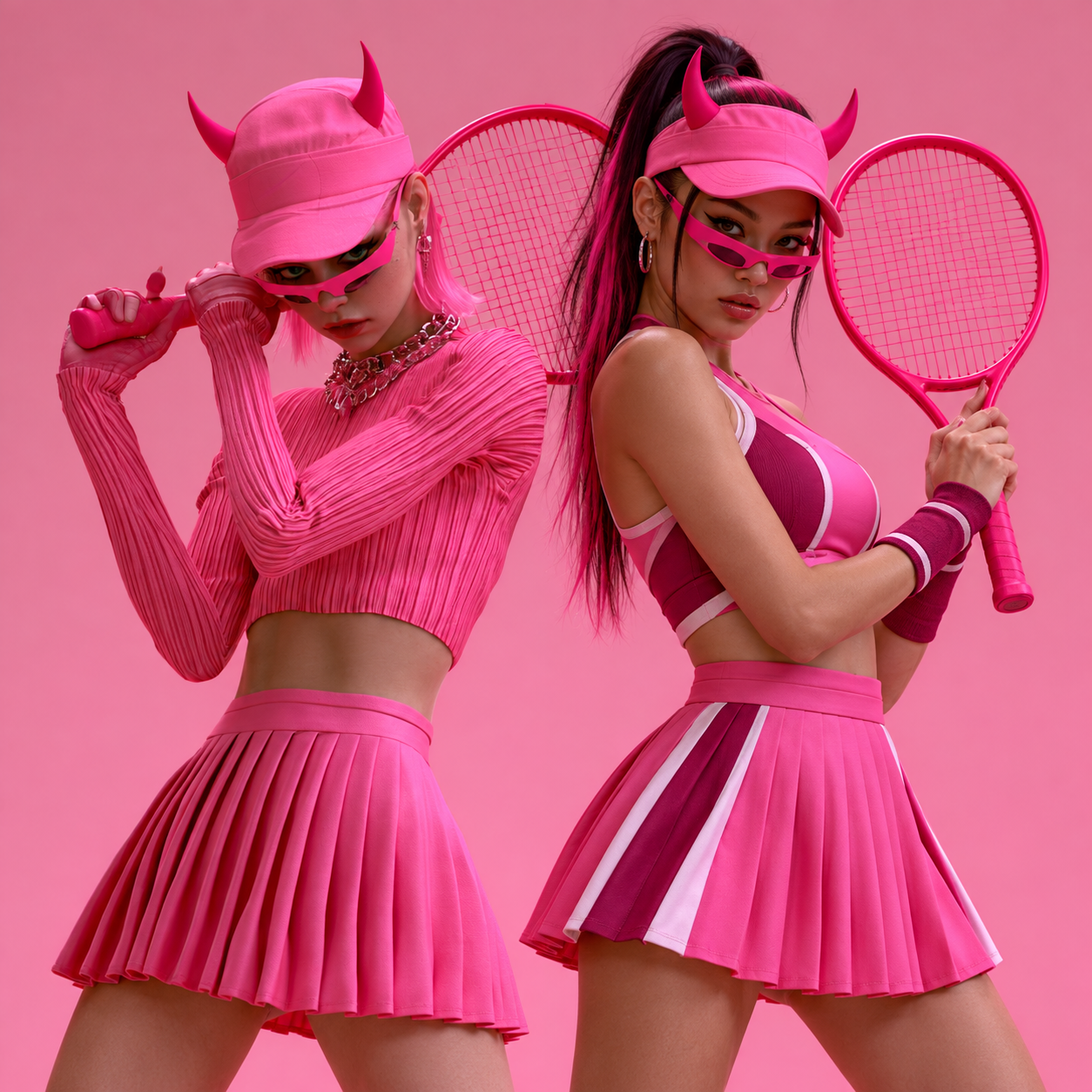
Why Doubles Should Become Tennis’s Short-Form Entertainment Product
Why Doubles Should Become Tennis’s Short-Form Entertainment Product Tennis has spent years searching for shorter formats, younger audiences and more…
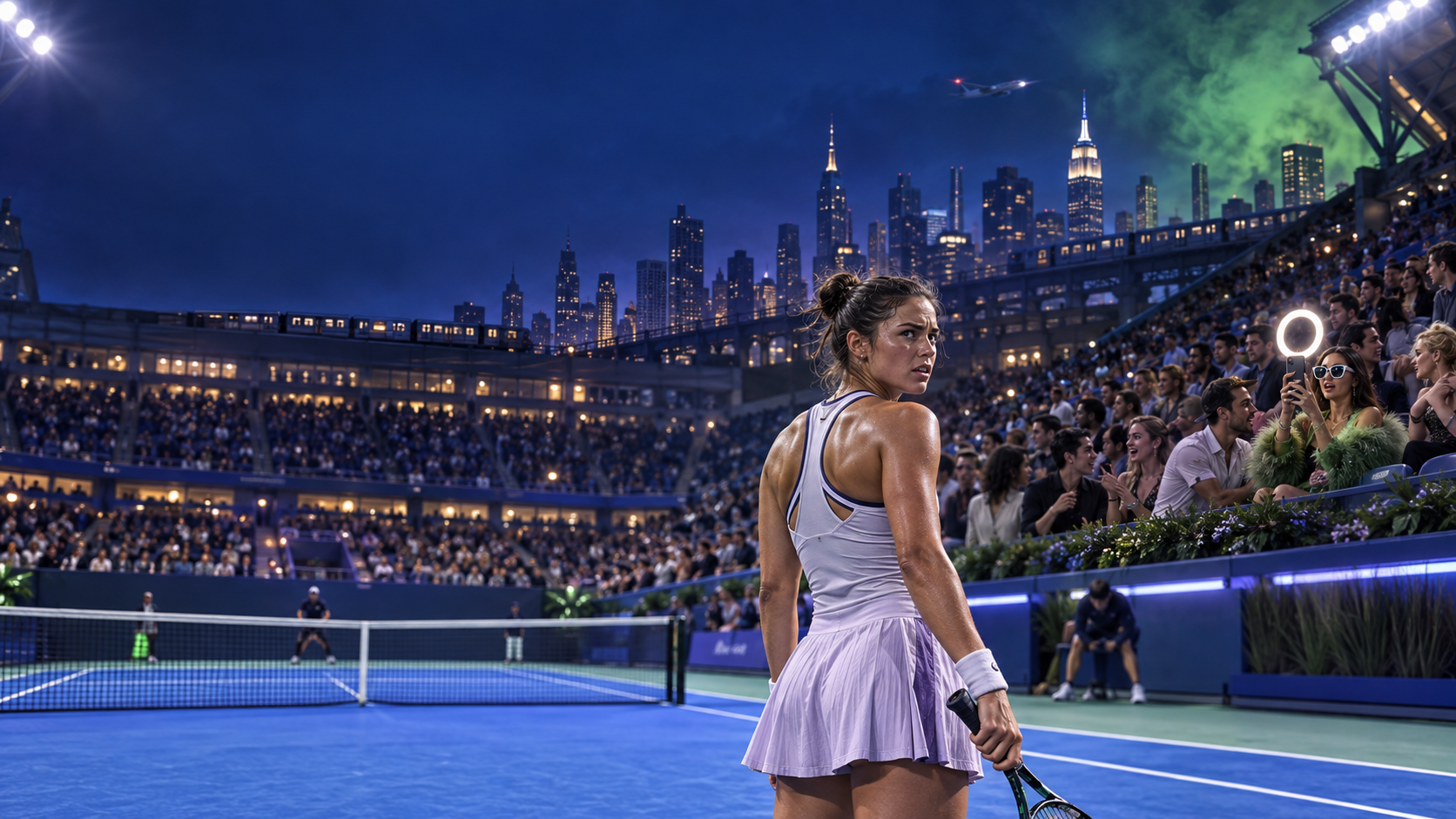
Weed, Ring Lights and Mid-Point Talking: Has the US Open Become Too Distracting?
Weed, Ring Lights and Mid-Point Talking: Has the US Open Become Too Distracting? The US Open has always been tennis…

The U.S. Open’s First Lesson: Talent Wins Points—Energy Wins Tournaments
The U.S. Open’s First Lesson: Talent Wins Points—Energy Wins Tournaments By Rich Benvin Opening day at the U.S. Open gave…
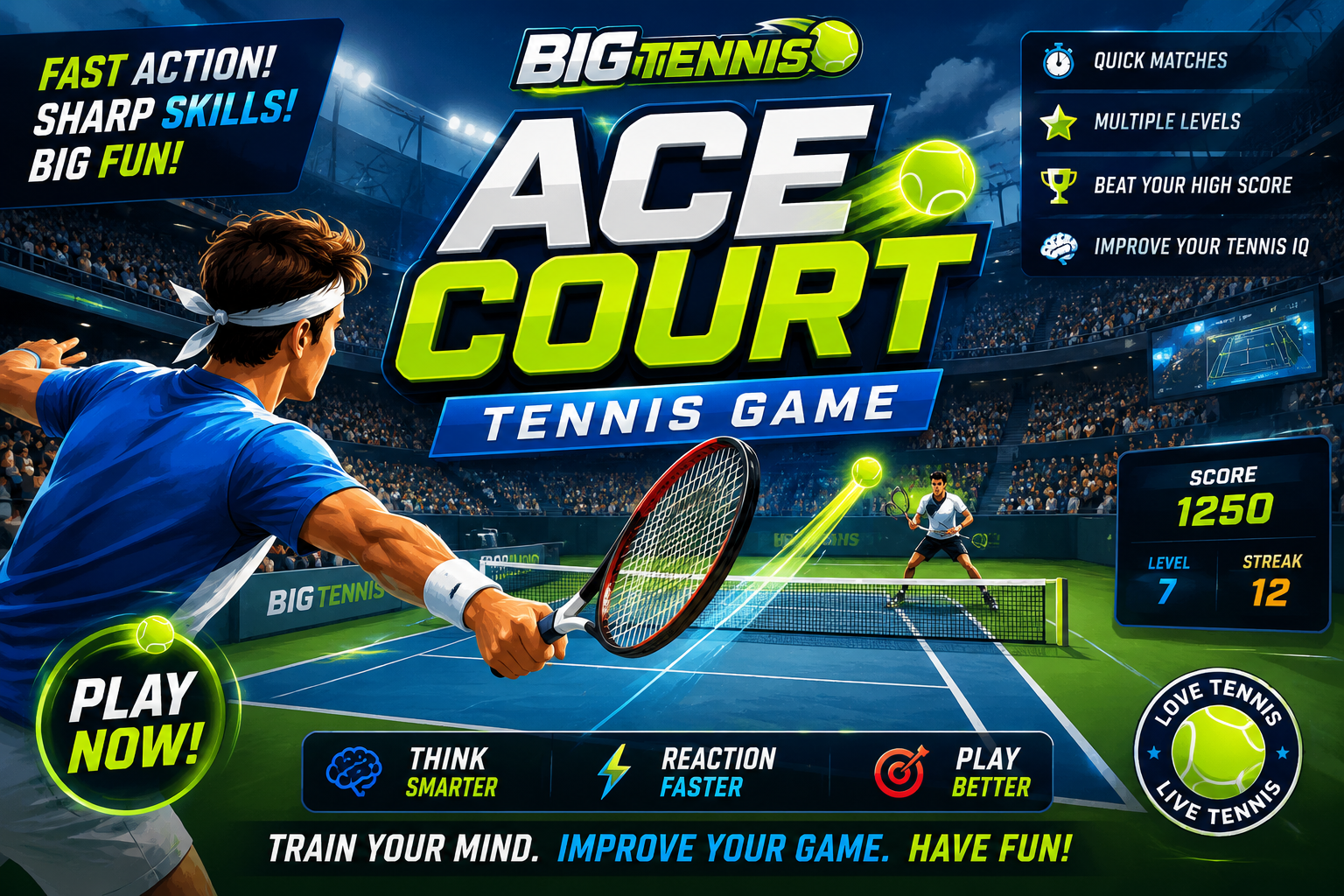
Ace Court Tennis Game: The Fastest Way to Test Your Tennis Skills
Ace Court Tennis Game: The Fastest Way to Test Your Tennis Skills Think your tennis IQ is as sharp as…